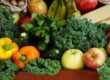

Eating a rainbow could be your healthiest habit yet. In the face of an ever-increasing global burden of chronic diseases, finding accessible and effective preventive measures is crucial. This is where the power of fruits and vegetables comes into play—a natural pharmacy of vitamins, minerals, fiber, and antioxidants. Welcome to our discussion on the often understated, yet vital role that these plant-based powerhouses play in staving off chronic conditions. From bolstering heart health to battling blood pressure, and even providing a shield against the development of cancer, the myriad benefits of fruits and vegetables extend far beyond just keeping your waistline in check. Let’s delve into the science-backed truths and unravel how incorporating more of nature’s variety into your diet is not just about fulfilling the age-old adage of an apple a day, but about fostering a foundation for a life less burdened by chronic illness.
Introduction to the Role of Fruits and Vegetables
When discussing the essentials of a balanced diet, the importance of incorporating a rich variety of fruits and vegetables cannot be overstated. Not only do these natural food sources brim with a dazzling array of colors and flavors to entice the palate, but they also offer a powerhouse of nutrients – each piece holds the key to unlocking a treasure trove of vitamins, minerals, and dietary fiber, much to the benefit of our bodily systems. It is the synergy of these elements within fruits and vegetables that contributes to the overall vigor and a profound sense of wellbeing that accompanies a diet abundant in these gifts of nature.
Beyond the immediate pleasure and nourishment they provide, fruits and vegetables play an instrumental role in warding off numerous health ailments. They act as sentinels that safeguard our health, thanks to the potent range of phytonutrients therein. These compounds, some with unpronounceable names, are the unsung heroes that confer the much-touted health-promoting properties. From reducing inflammation to enhancing the body’s immune response, fruits and vegetables are foundational to preventive healthcare, particularly in mitigating risks associated with chronic diseases.
The narrative surrounding fruits and vegetables often emphasizes the prevention of noncommunicable diseases – and for good reason. Daily intake of these vital foods has been linked with a lower incidence of cardiovascular issues, often seeing a reciprocal effect as the risk diminishes with increased consumption. Each bite is a step towards fortifying the heart and vascular system against the assaults of modern lifestyles and dietary choices that tax the circulatory system. As we explore the impact of fruits and vegetables on heart health, we unearth the mechanisms through which they bestow their protective effects.
Moreover, investigating the ways in which fruits and vegetables help lower blood pressure reveals their role in contributing to a harmonious and regulated cardiovascular system. Their low sodium and high potassium content serve to balance fluid levels within the body, while antioxidants and anti-inflammatory properties ensure clear vessels and diminished pressure on arterial walls. The role of fruits and vegetables in thwarting the multifactorial complexity of cancer through cancer prevention further underlines their invaluable contribution to long-term health sustainability. Phytochemicals residing within these foods elicit their molecular magic to stave off carcinogenic processes, establishing the profound connection between fruits and vegetables and cancer prevention. Lastly, heralded as antioxidant powerhouses, they provide a shield against the oxidative stress that can lead to the breakdown of cells and tissues, framing the essential narrative of wellbeing that fruits and vegetables author with every vibrant, life-sustaining morsel.
The Impact of Fruits and Vegetables on Heart Health
When delving into the myriad health benefits afforded by nature’s bounty, one cannot overlook the profound impact that fruits and vegetables have on heart health. These colorful and vital food sources are brimming with essential nutrients, fibers, and antioxidants that collaborate in a symphony of wellness, contributing to the fortification of cardiovascular function. Indeed, there is a consistent and well-documented correlation between the consumption of a fruit and vegetable-rich diet and a decrement in the prevalence of heart disease, the silent yet formidable specter that looms large over global well-being.
Scientific studies have illuminated the role of phytochemicals and compounds such as flavonoids, found in fruits and vegetables, that demonstrate vasoprotective effects. These naturally occurring substances aid in reducing inflammation within blood vessels, thereby decreasing the risk of arterial plaque buildup, a harbinger of atherosclerosis which is notoriously associated with heart attacks and strokes. Moreover, the incorporation of fruits and vegetables in daily dietary regimens has shown to mitigate the perilous aspects of hypertension, also known as high blood pressure, which is a notorious cardiovascular risk factor.
It is not simply the absence of harmful substances in fruits and vegetables that bolsters cardiac health, but also the presence of heart-friendly elements such as potassium and magnesium. These minerals play a pivotal role in electrolyte balance, which is integral for maintaining a steady and healthful heartbeat, and in optimal blood pressure regulation. Additionally, the fiber content of fruits and vegetables serves a dual purpose; it improves digestive tract health and also contributes to the reduction of cholesterol in the bloodstream, further diminishing the risk of heart disease.
Adopting a diet substantial in fruits and vegetables is a cornerstone recommendation by health professionals worldwide. Such a diet not only offers a protective shield against cardiac ailments but also acts as an arsenal of nutrients that support overall health. For the discerning individual striving for longevity and an enhanced quality of life, recognizing and acting upon the impact of fruits and vegetables on heart health is not merely a suggestion, but an imperative. As the adage goes, ‘An apple a day keeps the doctor away,’ so might a cornucopia of fruits and vegetables safeguard the heart, perpetuating the engine of life with zest and vitality.
How Fruits and Vegetables Help Lower Blood Pressure
The linkage between the consumption of fruits and vegetables and the management of blood pressure is a subject of considerable significance in the nutritional sciences. Rich in essential nutrients, such as potassium, dietary fiber, and a host of phytochemicals, fruits and vegetables help in orchestrating a symphony of physiological responses that support the maintenance of optimal blood pressure levels. The high potassium content, for instance, plays a pivotal role in moderating the balance of fluids in the body, which in turn assists in the regulation of blood pressure.
Delving deeper into the dynamics, the consumption of these natural food groups fosters a conducive environment for heart health. Phytochemicals present in abundance act as natural vasodilators, helping to relax blood vessels and thereby enhancing blood flow while reducing the strain on the cardiovascular system. Furthermore, the fiber within fruits and vegetables aids in the excretion of excess sodium, a known contributor to hypertension, thus promoting a decrease in its potentially harmful effects on blood pressure.
In a dialogue about the lowering of blood pressure, it is impossible to ignore the dietary patterns endorsed by health authorities worldwide. The DASH diet (Dietary Approaches to Stop Hypertension), heavily predicated upon the intake of fruits and vegetables, has been shown to be particularly efficacious. Studies have consistently illustrated that individuals adhering to a diet resembling the DASH archetype not only realize a reduction in blood pressure but also a fortified defense against the perils of hypertension.
It’s crucial to recognize that the relationship between fruits and vegetables and blood pressure is not an isolated phenomenon but a fragment of a complex health mosaic. Regular consumption of these nutrient-rich foods, coupled with other lifestyle modifications, such as regular physical activity and stress management, synthesizes into a comprehensive strategy for the prevention and control of high blood pressure, underscoring the power of diet as both a prophylactic and remedial instrument in the battle against hypertension.
The Connection Between Fruits and Vegetables and Cancer Prevention
Investigative studies in the realm of nutrition science have consistently emphasized the pivotal role fruits and vegetables play in fostering a robust, disease-resistant physiology. This is due, in large measure, to these foods’ illustrious array of phytochemicals, fibers, vitamins, and minerals which collaborate synergistically to fortify the body’s defenses against malignancies. Cancer prevention, a multifaceted and complex challenge, appears less daunting when adopting a diet rich in the kaleidoscopic spectrum of plant-based foods teeming with life-preserving nutrients.
The myriad antioxidants found in fruits and vegetables, such as beta-carotene, vitamins C and E, and selenium, function as a cellular praetorian guard, shielding DNA from the insidious assault of free radicals. Free radicals are rogue molecules known to inflict oxidative stress upon cells, a recognized precursor to cancerous mutations and tumor growth. The inclusion of these antioxidant-rich heroes in one’s daily diet may significantly dampen the emergence and progression of cancerous cells.
Moreover, the robust fibers present in plant foods prove to be a formidable force in the campaign against cancer, particularly in the digestive tract. By enhancing digestive efficiency and hastening the elimination of waste products, dietary fibers reduce the contact time between potential carcinogens and the lining of the gastrointestinal system, thereby diminishing cancer risk. Furthermore, certain phytochemicals such as sulforaphane, found abundantly in cruciferous vegetables, have been recognized for their potential to prevent cellular changes that may lead to cancer development.
The overarching narrative suggests a promising and profound correlation between the frequent consumption of fruits and vegetables and the prevention of cancer. Although no singular food acts as a panacea against this complex ailment, incorporating a diverse array of fruits and vegetables into one’s nutritional regimen is powerful advice for those seeking to reduce their cancer risk. Thus, embracing the cornucopia of nature’s bounty stands as a wise and flavorful strategy in the ongoing pursuit of optimal health and longevity.
Fruits and Vegetables as Antioxidant Powerhouses
When we delve into the vast world of nutritional science, one cannot overlook the pivotal role played by fruits and vegetables as fundamental sources of natural antioxidants; these powerful compounds work incessantly to neutralize harmful free radicals, thus mitigating the oxidative stress which is notoriously implicated in a multitude of chronic diseases. Encompassing an array of vibrant colors, each hue signifies the presence of specific antioxidants; for instance, the deep blues and purples in berries are indicative of anthocyanins, while the striking orange of carrots betrays the presence of beta-carotene.
The regular consumption of fruits and vegetables is akin to equipping one’s body with an arsenal of defensive agents against cellular damage; the antioxidants they supply serve not only to protect cellular integrity but also to fortify the body’s resilience against the relentless onslaught of environmental pollutants and stressors encountered in everyday life. To illustrate, the abundant vitamin C found in citrus fruits and leafy greens is renowned not merely for its immune-boosting properties but also for its ability to regenerate other antioxidants within the body, exemplifying the intricate synergies at play within our internal ecosystems.
As research progresses, we uncover more about the intricate workings of phytochemicals contained in fruits and vegetables, which have been associated with antioxidant properties that extend far beyond the mere prevention of oxidative damage; for instance, these natural compounds have been shown to have an impact on the regulation of enzymes and the expression of genes, which may be instrumental in thwarting the development or progression of certain types of cancer. The complexity of the interplay between these compounds and human health underscores the necessity of consuming a wide variety of fruits and vegetables to reap the full spectrum of benefits offered by these antioxidant powerhouses.
Moreover, adopting a diet rich in fruits and vegetables can be a key strategy in the pursuit of long-term well-being; not only do they contribute to the provision of essential nutrients, but they also imbue our diets with an untold variety of antioxidants, each with their unique properties and mechanisms of action. By embracing a cornucopia of plant-based foods, one is likely not just to experience a reduction in oxidative stress but also to enjoy a potentially enhanced quality of life, showcasing yet another profound reason these foods are esteemed as central pillars in the edifice of a healthful diet.